
Therapy for Anxiety in Bendigo
A depth-oriented approach to understanding the emotional roots of anxiety
How Depth-Oriented Therapy Understands Anxiety
From a psychoanalytic perspective, anxiety is rarely an isolated symptom. It is often an emotional signal — a message from within.
It may reflect:
- Internal conflict between competing needs or feelings
- Unresolved experiences from earlier life
- Fears about closeness or independence
- Anxiety about disappointment, loss or criticism
- Difficulties expressing anger or sadness
- Long-standing expectations placed on oneself
- Emotional burdens carried since childhood
- A sense of fragmentation, confusion or uncertainty about identity
Anxiety often emerges when something inside feels unacknowledged or overwhelmed. Therapy helps give these experiences space, language and understanding.
Instead of trying to eliminate anxiety, we explore:
- What it may be expressing,
- What emotional history it may be connected to, and
- What meaning it may hold for you now.
This deeper perspective allows anxiety to be approached with curiosity rather than fear.
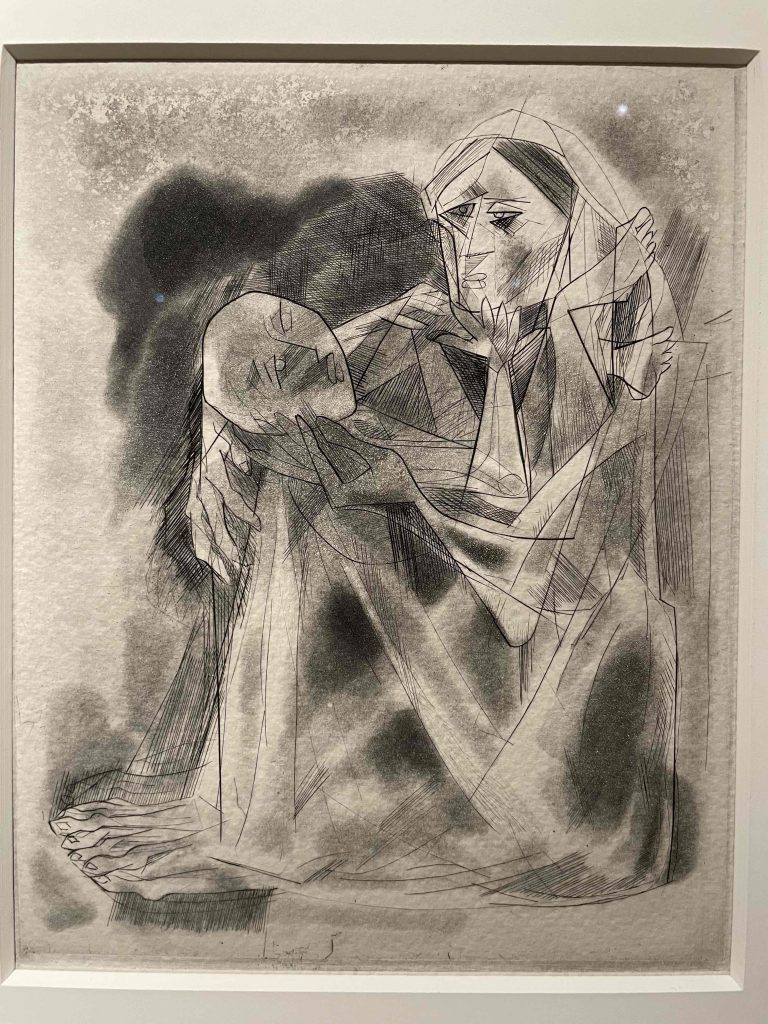
Understanding anxiety through a depth-oriented, psychoanalytic lens
Anxiety can be one of the most overwhelming emotional experiences. For many people, it shows up as persistent worry, inner pressure, physical tension or a sense that something is wrong without knowing exactly what. While short-term strategies may offer temporary relief, many find that anxiety returns — often because its deeper emotional origins have not yet been understood.
At Manas Psychology Bendigo, I offer a depth-oriented, psychoanalytic approach to working with anxiety. This means we look beyond the immediate symptoms and explore the inner world where anxiety often begins — the emotional patterns, early relational experiences and unconscious conflicts that quietly shape how you feel today.
People often seek this kind of work when they sense that their anxiety is connected to something deeper: long-standing patterns, unresolved experiences or internal tensions that have not found words. Therapy provides a reflective, steady space to understand these layers with honesty and care.
What Anxiety Can Look Like
People experience anxiety in many forms, including:
- Persistent worry or rumination
- Physical tension, tightness or restlessness
- Sudden waves of dread
- Difficulty concentrating
- Fear of criticism, failure or rejection
- Avoidance, procrastination or people-pleasing
- Irritability or emotional sensitivity
- Feeling overwhelmed by decisions or expectations
- Panic sensations or rapid breathing
- A sense that life feels “too much”
Sometimes anxiety is loud and unmistakable. At other times, it is quiet and hidden beneath perfectionism, overthinking or emotional shutdown. Therapy invites all these experiences into the room.
Why Anxiety Often Has Roots in Early Experience
Many adults who struggle with chronic anxiety describe early environments where they felt:
- Responsible for the feelings of others
- Afraid of conflict or emotional expression
- Unable to rely on those around them
- Uncertain about their place in the family
- Pressured to perform or caretake
- Worried about being criticised, exposed or “too much”
- Overwhelmed by expectations they didn’t choose
These early emotional landscapes can create internal templates that shape adulthood — influencing how we respond to stress, relationships, work and our own inner life.
Therapy provides a thoughtful and honest space to explore how these early experiences continue to echo in the present.
A Psychoanalytic Approach to Working With Anxiety
In our work together, therapy may explore:
1: The meaning behind the symptom
Rather than treating anxiety as something to “fix,” we explore what it might be communicating.
2: Emotional patterns and internal conflicts
Anxiety often arises when parts of the self are in tension — wanting closeness yet fearing it, wanting change while feeling stuck.
3: The influence of early relationships
Childhood experiences shape how we anticipate the world and how we expect others to respond to us.
4: How anxiety appears in the therapeutic relationship
This provides valuable insight into patterns that may also appear elsewhere in life.
5: A steady, reflective pace
Understanding unfolds gradually, allowing deeper emotional layers to emerge safely.
This is not a quick-fix approach — but it can offer lasting clarity, emotional grounding and a more compassionate relationship with yourself.
Who This Approach May Help
Depth-oriented therapy may be helpful if you:
- Feel anxious without fully understanding why
- Have tried strategies or brief therapy without lasting change
- Experience anxiety in relationships or intimacy
- Feel pressure to hold everything together
- Fear being criticised, misunderstood or dismissed
- Carry long-standing patterns of worry, self-criticism or shame
- Feel overwhelmed by expectations, decisions or uncertainty
- Sense there is a deeper emotional story behind your anxiety
You do not need to explain everything clearly at the beginning. Many people start with only a feeling that something in their inner life needs attention.
What to Expect in Sessions
Therapy usually unfolds weekly at a regular time, creating a rhythm that supports emotional continuity. In our work together, we may explore:
- Situations that trigger anxiety
- Feelings that arise beneath the surface
- Early memories and their emotional echoes
- Unconscious fears or expectations
- Dreams, images or reactions that hold meaning
- Patterns that repeat over time
- Ways your anxiety shows itself in the therapeutic relationship
The pace is steady, attentive and reflective — allowing space for parts of yourself that may have been long overlooked or misunderstood.
Over time, many people describe feeling:
- More grounded inside themselves
- Less overwhelmed by emotions
- Clearer about what their anxiety has been protecting them from
- More connected to their own internal world
- Less reactive to external pressures
- More able to make decisions from a place of clarity
- Calmer in their relationships
These changes come not from techniques, but from understanding.
If You Are Considering Anxiety Therapy
Beginning therapy for anxiety can feel daunting, especially if you have been carrying the weight of it alone. You are welcome to reach out whether you are ready to begin or simply want to ask a few questions.
For appointments or enquiries, please visit the Contact page. For fee details and Medicare information, see the Fees page.
Therapy here offers a space where your inner world can be understood with depth, honesty and care — and where anxiety can be met with curiosity rather than fear.
Book Anxiety Therapy Today
Manas Psychology Bendigo
- 3 Lansell Street, Kangaroo Flat Bendigo
- 0438 715 821
- info@manapsychology.com.au